Chartered Institute
of Linguists
NEWS & VOICES
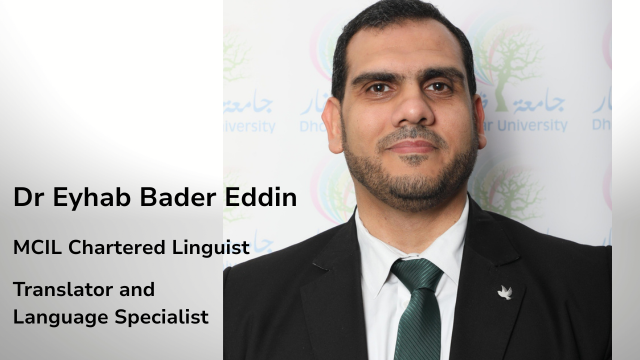
by Dr Eyhab Abdulrazak Bader Eddin
A trilingual realm unfolds
Imagine walking into a 13th-century English courtroom. The judge addresses the court in French, the clerk scribbles notes in Latin, and the plaintiffs mutter to each other in English.
This vivid scene captures the reality of post-Norman Conquest England, where three tongues coexisted in a...

This is the final post in a series of three follow-up posts to the CIOL roundtable Freelance linguists: navigating careers in a changing profession featuring Ilenia Goffredo, Karine Chevalier-Watts and Ibrahim Kadouni. It explores and expands on the panellists’ ideas and contributions. Watch the full roundtable video here.
Building windmills
‘There are two...


This is post two in a series of three follow-up posts to the CIOL roundtable Freelance linguists: navigating careers in a changing profession featuring Ilenia Goffredo, Karine Chevalier-Watts and Ibrahim Kadouni. It explores and expands on the panellists’ ideas and contributions. Watch the full roundtable video here.
What is happening?
‘We feel a little bit...

An academic and personal reflection on ‘language attrition’
by Dr Pier Pischedda, MCIL Chartered Linguist
Losing touch with your mother tongue
As much as we can learn a language, we can also lose it. This is a familiar topic in linguistics, and as linguists, we often discuss how maintaining a second language requires constant study and active use,...
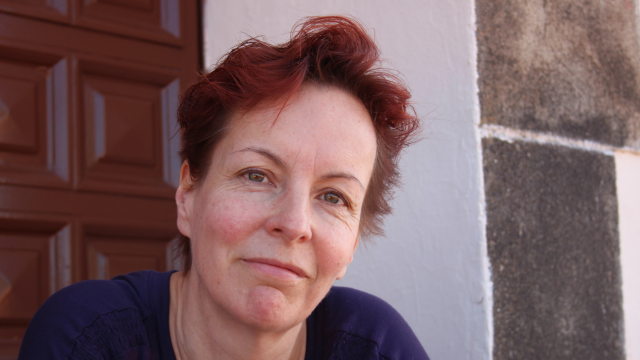
By Professor Monika S Schmid
A recent YouGov poll suggested that over 70% of adults in the UK support languages as an obligatory subject in schools, and many regret not having studied them more themselves.
A longstanding argument
The argument goes back a long time. In the aftermath of World War I, it was suggested that language...

‘I started getting fewer enquiries in all languages, so not just in my own language pair of English–French, but also in the other languages that I was representing through my agency’ Karine Chevalier-Watts
It’s no secret that many freelance translators and translation agencies started seeing a drop in translation workload in 2024. However, some...

By Teresa Simone
When you move abroad, work stops being just work
When you move to work in another country, work stops being just work.
Work isn’t just what you do.
It’s where you feel competent. It’s where you know who you are. It’s where your place in the world feels clear.When you move to another country, that structure breaks down.
...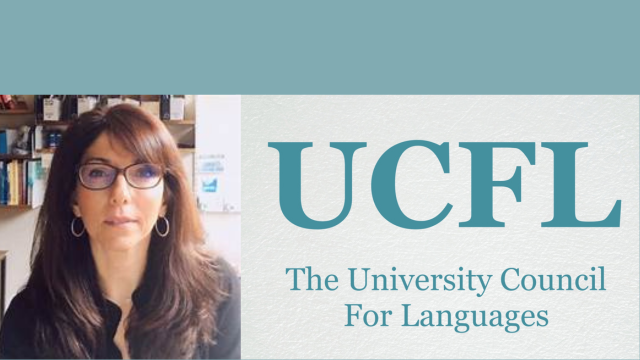
By Marcela A. Cazzoli
The British Academy’s look at this year’s A-Level results gives a mixed message for the humanities. Economics and Politics are still drawing in more students, but many other SHAPE subjects are slipping back. Modern Languages share some of these challenges, but hidden in the figures are reasons to be optimistic.
Spanish entries are up by...

John Worne CIOL CEO writes:
A new report from the Higher Education Policy Institute, ‘A Languages Crisis: Arresting decline’ by Megan Bowler (HEPI Report 192) and sponsored by Duolingo, shows a big drop in formal language learning in the UK.
Key Stats
The report sets out the current state of language learning in UK’s schools and universities...